Advantages of Synthetic Turf
Climate Adaptability
Climate has a significant impact on natural grass, and many regions or countries experience extreme weather conditions such as intense heat in Africa or severe cold in Eastern Europe, making it challenging for natural grass to thrive. In contrast, synthetic turf can be used regardless of adverse weather conditions, making it unaffected by climate. This is one of the reasons why synthetic turf is gradually replacing natural grass in regions with extreme climates.
Usage Duration and Lifespan
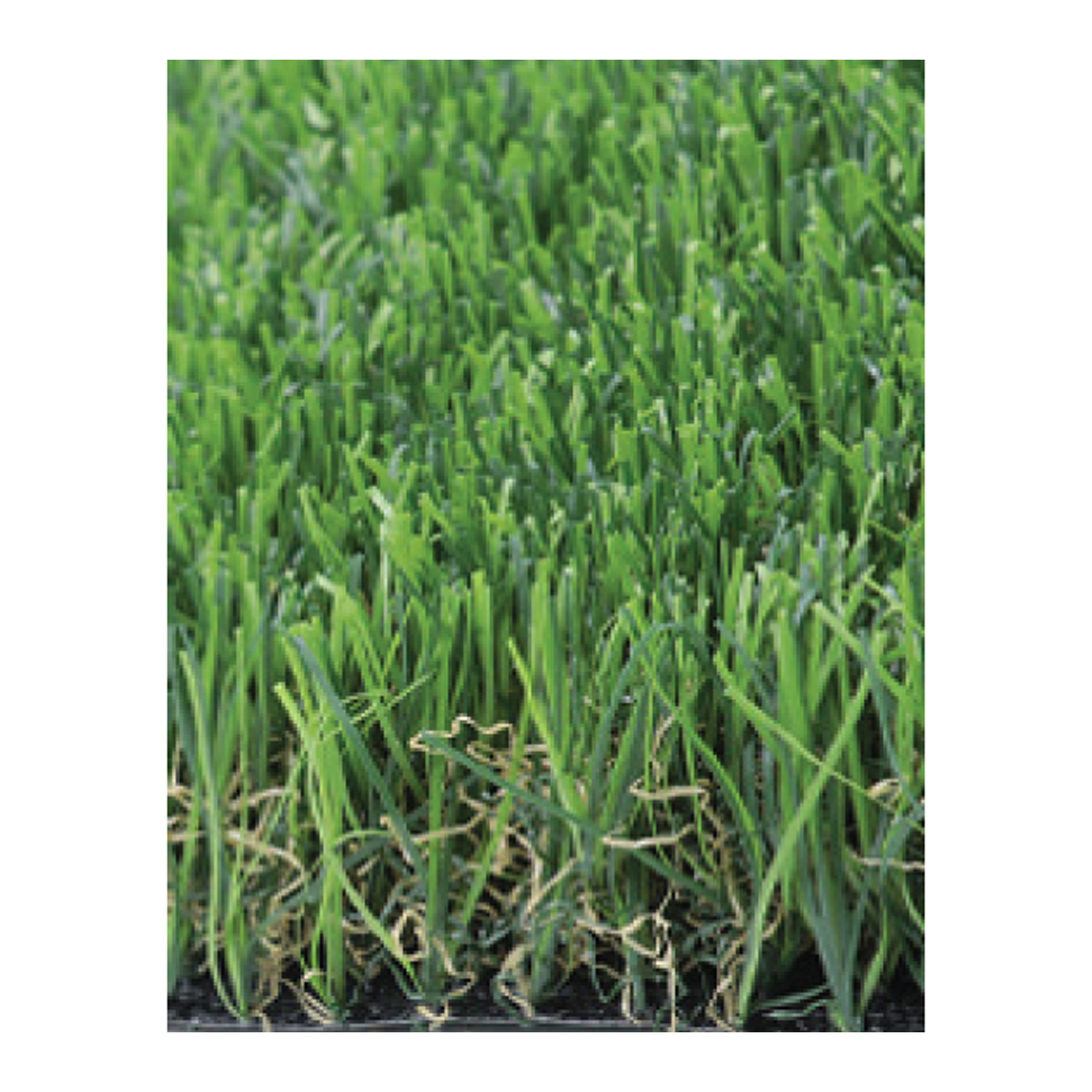
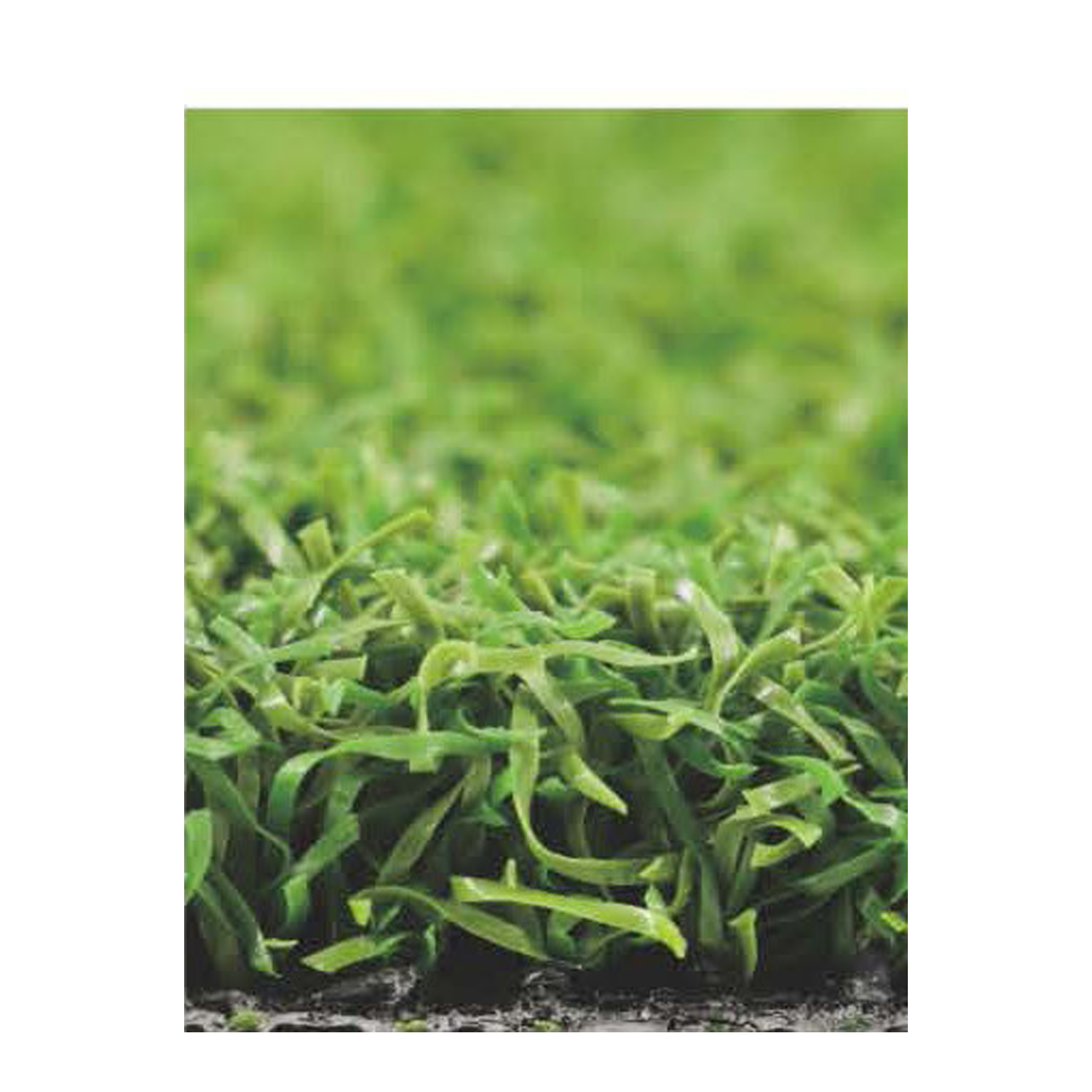
Natural grass can last for a long time if properly maintained, but inadequate maintenance can lead to the turf drying out and its lifespan being compromised. On the other hand, synthetic turf, made from materials like PE (polyethylene), has excellent wear resistance, making it highly suitable for sports fields. Based on experimental data, long-term practical experience, and tests conducted by professional organizations, synthetic turf can be used year-round without restrictions on usage duration, and its lifespan is typically around 8 years.

Post-installation Maintenance Requirements
Natural grass fields, especially those used for sports like football, require regular maintenance by professionals. After each game, they need to be professionally maintained, including activities like reseeding the turf and trimming it. Additionally, regular maintenance tasks such as watering, fertilizing, trimming, and pest control are required when the fields are not in use. Post-installation maintenance of natural grass can be quite labour-intensive. In contrast, synthetic turf eliminates the need for the laborious maintenance associated with natural grass. It only requires periodic cleaning and simple maintenance.
Foundation Requirements
Natural grass can only be grown in specific locations where the soil, watering, and fertilization conditions are suitable. In contrast, synthetic turf is not limited by location. It can be installed on cement surfaces or hard soil and is not subject to the same factors that affect natural grass.
Performance Requirements for Sports
Natural grass is relatively delicate, reducing the chances of athletes experiencing abrasions. It offers good sports performance without affecting the direction of the ball or its trajectory. Synthetic turf, made from acrylic fibers, provides superior slip resistance and increased friction.